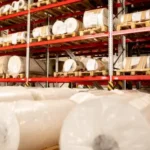
Quality process in PP bag manufacturing.
Introduction
In the world of packaging, Polypropylene (PP) bags stand out for their versatility and durability. These bags are widely used across various industries to transport and store a diverse range of products. However, the quality of PP bags is paramount to their effectiveness. In this blog, we’ll explore the meticulous quality process involved in manufacturing PP bags, shedding light on the steps taken to ensure these bags meet the highest standards.
Material Selection
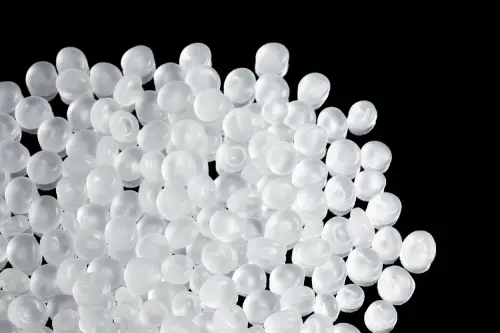
The journey towards producing high-quality PP bags begins with the careful selection of raw materials. Manufacturers choose premium-grade polypropylene resin known for its strength, flexibility, and resistance to wear and tear. The quality of the raw material directly influences the bag’s performance, making it crucial to source materials from reputable suppliers.
Extrusion Process
Once the polypropylene resin is secured, it undergoes an extrusion process to create the flat film that forms the basis of the PP bags. This process involves melting the resin and forcing it through a die to create a continuous sheet of plastic. The extrusion process must be closely monitored to maintain uniform thickness and quality throughout the film.
Weaving and Lamination
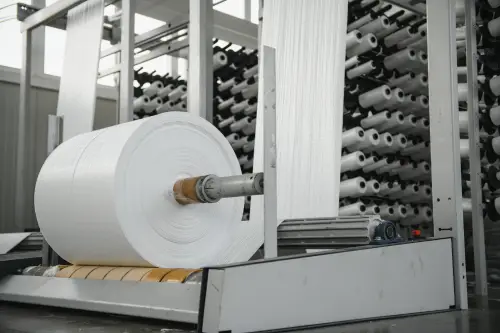
The extruded film is then woven into the characteristic fabric that gives PP bags their strength. This weaving process is instrumental in creating a robust foundation for the bags. Additionally, lamination may be applied to enhance the bags’ performance, providing additional protection against environmental factors and wear.
Cutting and Stitching
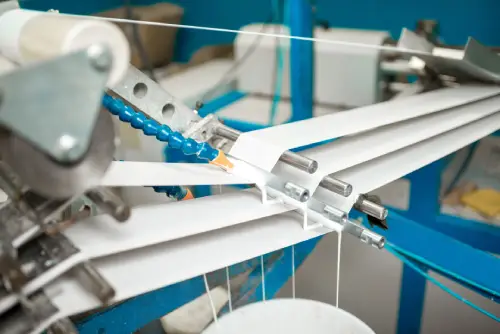
Precision is key when cutting the woven fabric to the required size and shape for the PP bags. Advanced cutting machinery ensures accuracy and consistency. The cut pieces are then stitched together using high-quality sewing machines, with reinforced seams to handle the stresses associated with carrying heavy loads.
Quality Testing
The heart of the quality process lies in rigorous testing. Each batch of PP bags undergoes a battery of tests to assess factors such as tensile strength, tear resistance, seam strength, and overall durability. These tests are conducted to ensure that the bags can withstand the challenges they may face during transportation and storage.
Printing and Finishing
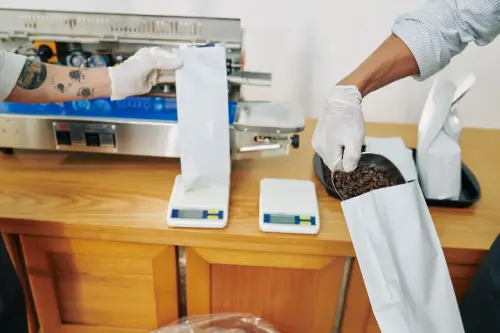
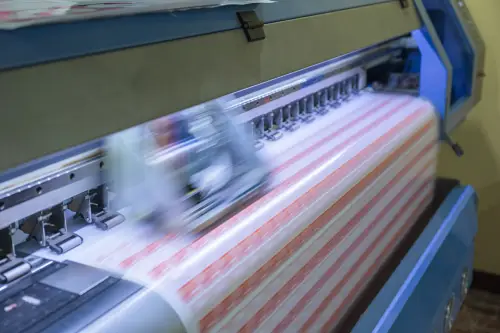
If required, the PP bags may undergo printing processes for branding, labeling, or information purposes. This step is carefully executed to maintain the visual appeal and legibility of the printed content. Any finishing touches, such as adding handles or special features, are also completed at this stage.
Final Inspection
Before the PP bags are ready for market distribution, a final inspection is conducted. This comprehensive review includes checking for any defects, ensuring the bags meet size specifications, and verifying that the printing is accurate. Only after passing this meticulous inspection are the bags deemed ready for use.
Conclusion
The quality process in PP bags manufacturing is a multi-faceted journey that demands precision and attention to detail at every step. From material selection to final inspection, each stage contributes to ensuring that PP bags meet the highest standards of quality and reliability.